Death Grip: What the Research Actually Says
Separating the forum folklore from what's genuinely documented.

Somewhere on the internet right now, a man is reading a forum thread that tells him he has permanently broken his penis with his own right hand. The thread has a name for it, a recovery timeline, a list of rules and at least one person swearing that 90 days of total abstinence saved his marriage. None of that thread is peer-reviewed. Some of it is roughly right anyway.
“Death grip syndrome” is the kind of phrase that sounds like a diagnosis and behaves like a rumor. It describes something real enough that sex therapists have been writing about it for decades, under a duller name and with a lot more caveats. The trouble is that the folklore has grown far past the evidence, and the evidence itself is thinner than either side of the argument tends to admit.
Here’s the sorting job: where the phrase came from, what the clinical literature documents, where the porn debate stands, and what a sensible reset looks like.
The short version: “Death grip” is slang, not a diagnosis. What clinicians do document is an “idiosyncratic masturbatory style” (a grip, speed or position a partner can’t easily match) as one factor in delayed ejaculation, alongside medications, health conditions and anxiety. The research is small and mostly clinical observation. Changing your technique and taking a short break is reasonable, low-risk advice. If the problem lasts months or bothers you, see a doctor first, then a sex therapist.
A phrase from an advice column, not a textbook
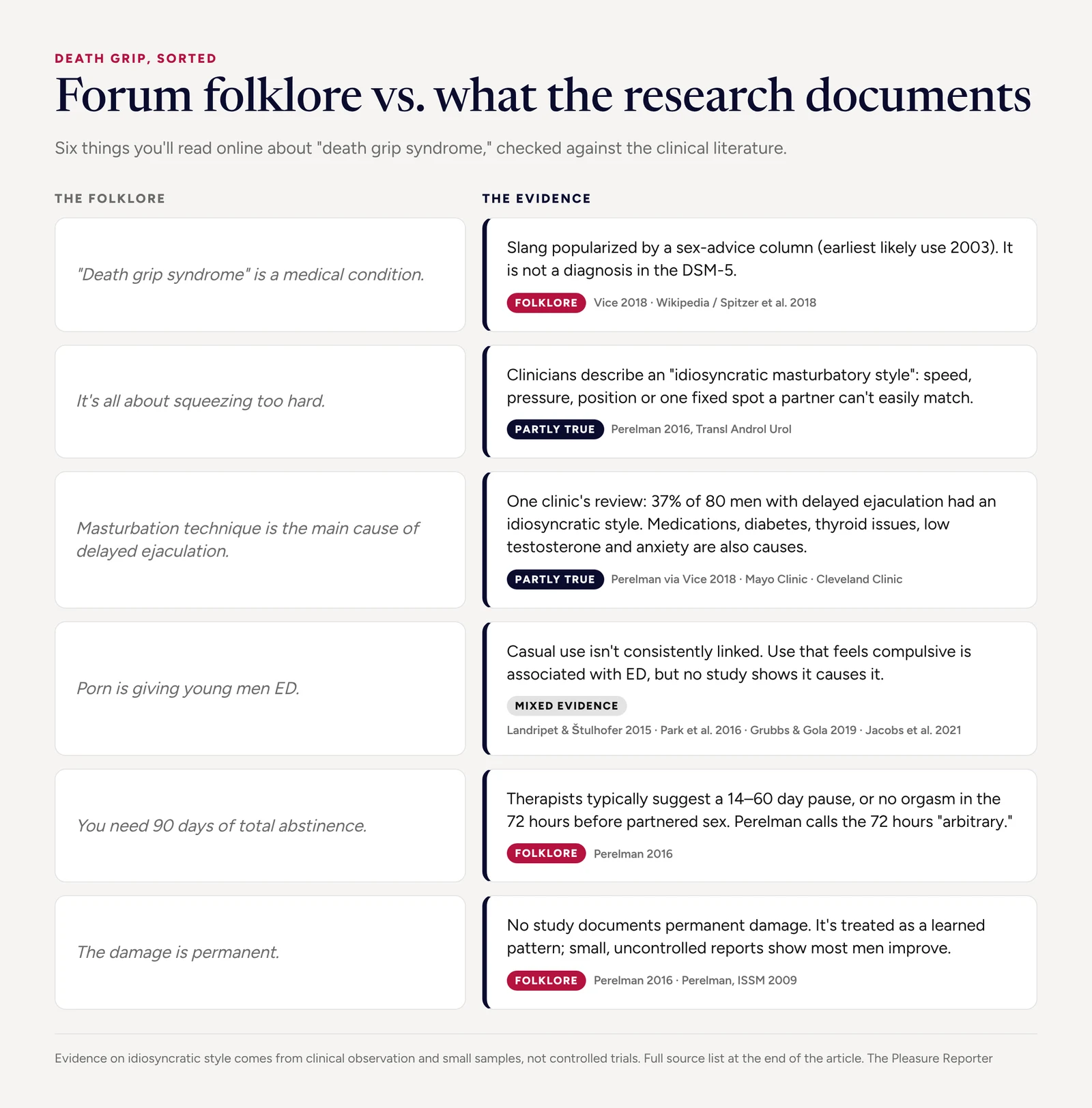
The term is generally credited to the sex columnist Dan Savage. A 2018 Vice investigation traced the earliest likely written use to a 2003 Savage Love column, though Savage told the reporter he had been handing out the same advice for far longer. He was also refreshingly honest about its basis, describing it as a mix of anecdote, personal experience and folk wisdom. Fair for an advice column; not how you describe a medical condition.
No major diagnostic manual lists “death grip syndrome.” You won’t find it in the DSM-5, which is where the American Psychiatric Association defines sexual dysfunctions, and the Wikipedia entry on the term notes that it isn’t recognized by mainstream medical bodies. Even the self-help site curedeathgrip.com says it isn’t a recognized diagnosis. When the site named after the cure says so, you can relax a little.
That doesn’t make the idea worthless. It’s a folk label stuck on top of something clinicians describe more carefully, and the careful version is where the useful information lives.
What’s actually documented: the “idiosyncratic” problem
The researcher most associated with this territory is Michael Perelman, a sex therapist who spent years at Weill Cornell Medical College treating men with what used to be called retarded ejaculation and is now called delayed ejaculation. His term for the thing the forums call death grip is “idiosyncratic masturbatory style,” which he defines as a masturbation technique not easily duplicated by a partner’s hand, mouth or vagina.
That definition is broader and more useful than the slang. Grip pressure is only one variable. Perelman lists speed, pressure, duration, body position and fixation on one particular spot. A man who can only finish face-down on the mattress has the same problem as one who squeezes like he’s wringing out a towel: one very specific route to orgasm that partnered sex doesn’t take.
How common is it among men with delayed ejaculation? The figure that gets passed around comes from Perelman’s own clinic. As reported by Vice, a retrospective review of 80 of his delayed-ejaculation patients found that 37% had a history of idiosyncratic masturbation. Perelman also told the magazine he finds the “death grip” label inadequate and estimated that grip-based cases made up no more than half of his idiosyncratic group. So even inside a specialist clinic, the hand-strength story explains a minority of cases.
Grip pressure is only one variable. The real problem is a body that has learned one very specific route to orgasm.
In a 2016 review in Translational Andrology and Urology, Perelman calls idiosyncratic style a primary factor for many men with delayed ejaculation and notes it tends to travel with high-frequency masturbation, which he puts at more than three times a week. He also mentions that some men report penile irritation and redness from their technique, and that most never tell a partner or a doctor about it out of embarrassment. If men won’t mention it, the true numbers are guesswork.
Be clear about the quality of this evidence. It’s clinical observation from experienced therapists, small samples and chart reviews, with no large controlled trials. Perelman says as much about his own treatment outcomes, calling them exploratory. It’s plausible, it’s consistent across clinicians, and it’s not proven in the way that, say, the link between SSRIs and delayed orgasm is proven.
How common is delayed ejaculation, really?
The condition the folklore is pointing at has a formal definition. Under DSM-5, delayed ejaculation means a marked delay in, or absence of, ejaculation on roughly 75 to 100% of occasions of partnered sex, lasting at least six months and causing distress. One slow night after four beers doesn’t count, and neither does a long fuse that nobody minds.
Prevalence estimates depend heavily on how strictly you apply that definition. The International Society for Sexual Medicine (ISSM) puts it at 1 to 4% of men. A 2006 review by Perelman and David Rowland in the World Journal of Urology called the prevalence relatively low, under 3%. Cleveland Clinic cites a 2023 study suggesting at least 5 to 10% of men are affected. Definitions vary, and clinicians expect rates to rise with aging and antidepressant use. Nobody has documented an epidemic of overenthusiastic wrists.
For a sense of scale, ISSM gives the median time from penetration to ejaculation as 5.4 minutes and describes delayed ejaculation as typically involving 22 minutes or more of stimulation, which falls just below the 98th percentile. The clock isn’t the whole test: distress or a clear change from your normal can count under that mark, and a man who takes 40 minutes and enjoys every one doesn’t have a disorder.
Then there are the causes that have nothing to do with your hand. Mayo Clinic and Cleveland Clinic both name certain antidepressants (SSRIs especially), some blood pressure drugs, alpha blockers, heavy drinking, diabetic nerve damage, thyroid problems, low testosterone, prostate surgery, aging, depression, anxiety and relationship conflict. A Detroit urologist interviewed by Vice said “death grip” wouldn’t make his top ten things to check, and estimated that about 80% of his own delayed-ejaculation patients were on SSRIs. One doctor’s patient list isn’t a study, but it’s a useful corrective to blaming technique first.
The porn question, with both sides on the table
Death grip folklore usually arrives bundled with a second claim: that internet porn is quietly giving young men erectile dysfunction and delayed orgasm. The research genuinely points in more than one direction.
The case for concern
The most cited paper on the worried side is a 2016 review by Brian Park and colleagues in Behavioral Sciences, which argued that traditional explanations don’t account for a sharp rise in sexual difficulties among men under 40. It pointed to older estimates of roughly 2% erectile dysfunction in that age group against more recent surveys reporting rates from 14% to over 30%. It also presented three case reports from U.S. military clinics. In one, a man cut back sharply on porn and stopped using a sex toy, and his orgasms with his fiancée returned. In another, he couldn’t cut back and no improvement was reported. In the third, erectile problems reportedly resolved after he stopped entirely.
Three case reports are three stories, and the authors themselves called for intervention studies that hadn’t been done. One co-author had written a book on porn’s harms, which the paper disclosed as a potential conflict of interest.
A larger 2021 Belgian survey of men aged 18 to 35, published in JMIR Public Health and Surveillance, found some degree of erectile dysfunction in 21.5% of sexually active respondents. Men with higher scores for problematic porn consumption were more likely to report it. Interestingly, masturbation frequency on its own was not a significant factor.
The case for calm
On the other side, Ivan Landripet and Aleksandar Štulhofer analyzed two samples of men aged 40 and under (about 2,700 men from Croatia, Norway and Portugal, plus about 1,200 Croatian men) in the Journal of Sexual Medicine in 2015. They found little evidence that porn use was associated with erectile, orgasmic or desire problems, and concluded it didn’t look like a significant risk factor.
Joshua Grubbs and Mateusz Gola followed up in 2019 with three samples, including a year-long study with four waves of data. Simply watching porn showed no consistent link to erectile problems. Feeling that your porn use was problematic was linked to them at any single point in time, but over the year, no porn variable predicted how men’s erectile function changed. Their words were blunt: no evidence of causal links. A 2023 study of 3,586 men by Rowland’s group in the International Journal of Impotence Research found porn frequency unrelated to erectile function even in men 30 and under; age, anxiety, depression and chronic illness did the heavy lifting.
Where that leaves you
ISSM’s own summary is a reasonable place to land. Recreational porn use generally isn’t linked to sexual dysfunction. Compulsive use that feels out of control may be associated with erectile problems and dissatisfaction, but nobody has shown which way the arrow points. Compulsive use might dull partnered arousal, men with sexual problems might retreat into porn, or anxiety might drive both. If your use feels out of your hands, that’s worth raising with a professional on its own merits, whatever it’s doing below the belt.
A retraining plan that doesn’t require a forum oath
The encouraging part: what sex therapists actually use for idiosyncratic style is simple, cheap and close to risk-free, so you can try a gentle version yourself without waiting for science to settle anything.
Perelman’s clinical approach, described in his 2016 review and in a piece he wrote for ISSM, rests on a few moves. Change the technique: switch hands, change position, slow down and gradually shape your solo stimulation toward the kind you actually get from a partner. Cut back for a while: he typically recommends reducing or pausing masturbation for 14 to 60 days, and for men who won’t stop entirely, he negotiates no orgasm within 72 hours before partnered sex, a number he openly calls arbitrary but grounded in experience. And bring a partner into it, both in finding stimulation that works and in closing the gap between solo fantasy and real sex.
Translated into practical habits, that means:
- Loosen the grip. Aim for the pressure of a firm handshake, not a jar lid. If you can’t finish that way yet, that’s information, not failure.
- Use more lube than feels necessary. Friction is the variable that a dry, tight grip maxes out, and a partner’s body rarely matches it. Our guide to lubes covers which bases suit which materials.
- Vary everything. Speed, hand, position, the part of the penis you focus on. The aim is a body with several routes to orgasm instead of one.
- Take a break. A short pause from solo sessions is the one piece of advice clinicians and forums actually agree on. You don’t need 90 days and a blood oath.
- Pay attention to arousal, not just friction. Perelman’s model treats orgasm as a tipping point between physical and mental arousal. If your head isn’t in it, more pressure won’t fix it.
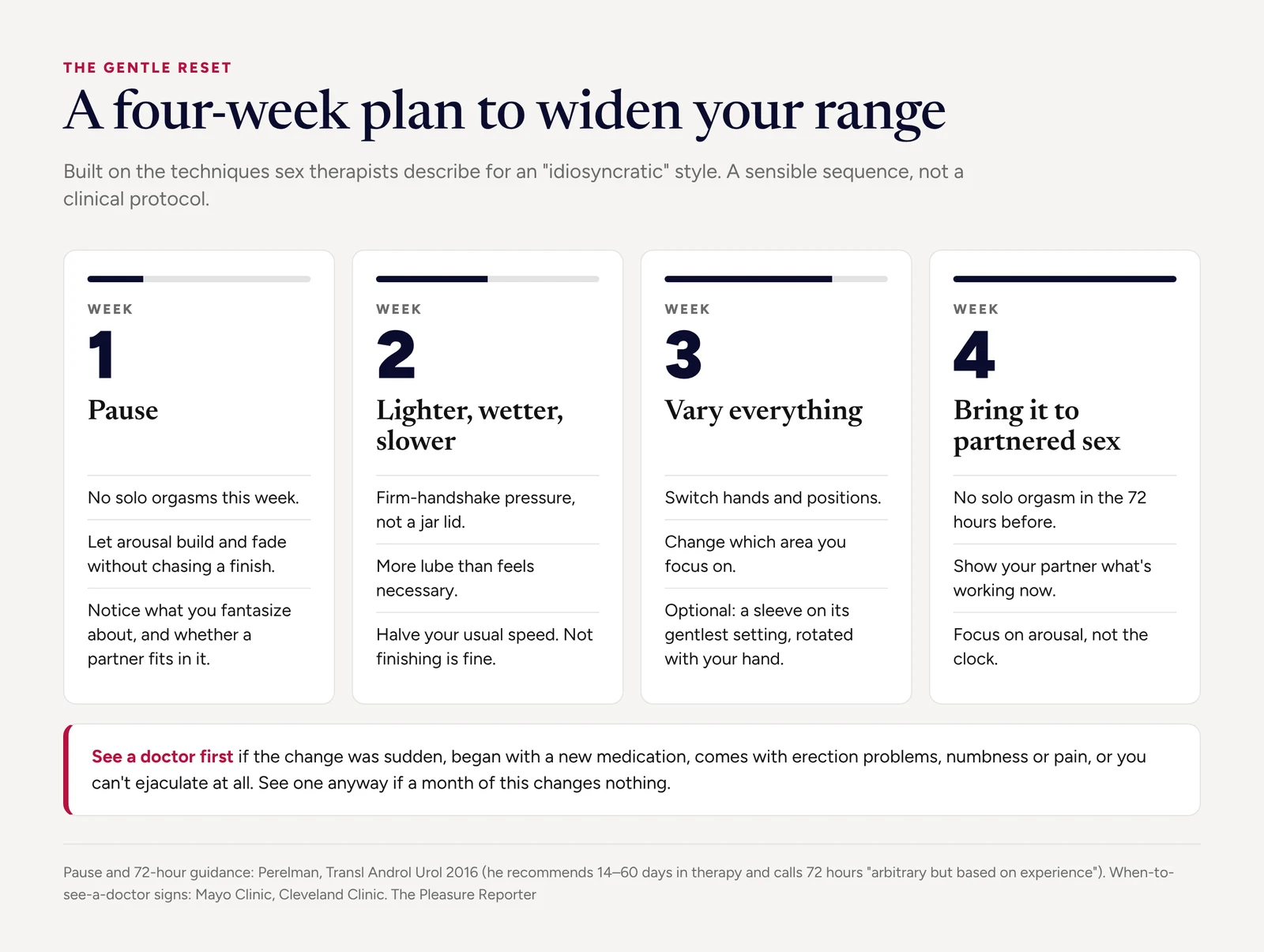
Expect weeks, not days. The only outcome figures come from therapists’ small, uncontrolled samples: Perelman reports success rates above 75%, with about one in five men reaching ejaculation during intercourse within six weeks, and calls these numbers preliminary. Encouraging, not guaranteed, and drawn from guided therapy rather than a man and a calendar.
Where strokers fit, and where they don’t
Strokers and sleeves come up in this conversation for an obvious reason: they spread pressure around the whole shaft and they need lube, which pushes you away from a dry, white-knuckle grip almost by default. That makes them one reasonable way to practice a lighter, more varied kind of stimulation. It doesn’t make them a treatment, and no study has tested them as one.
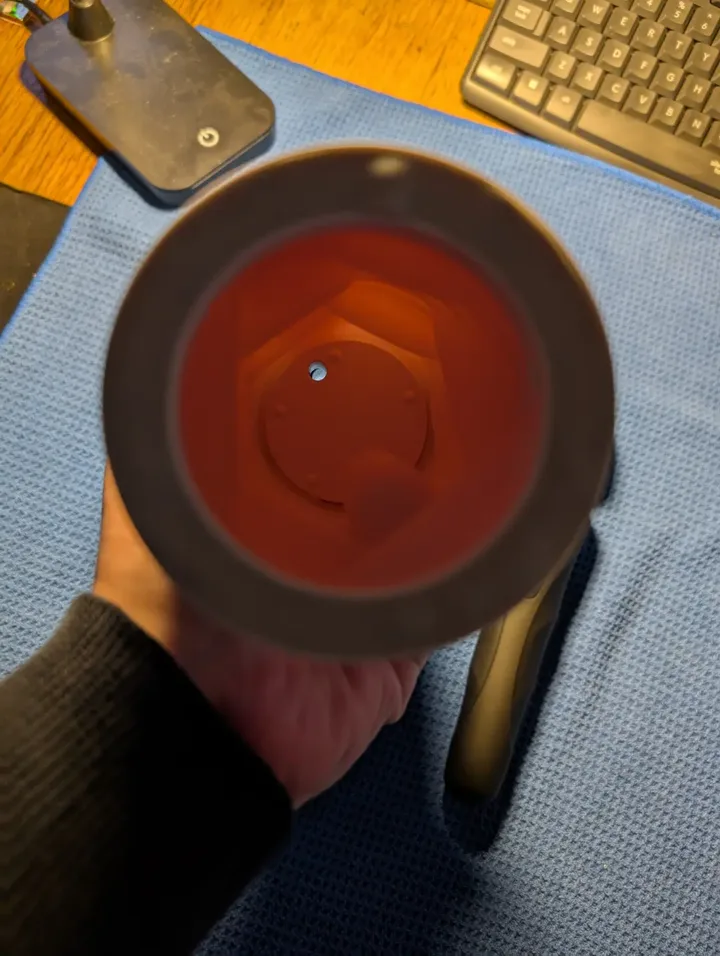
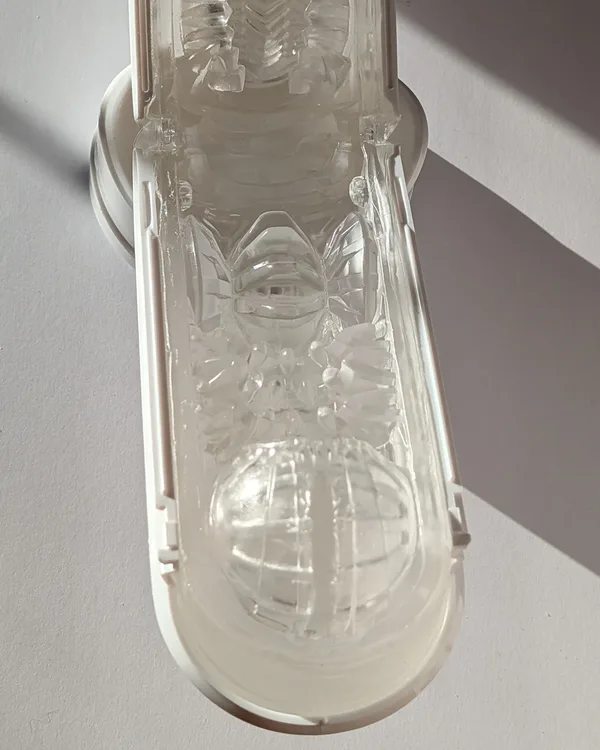
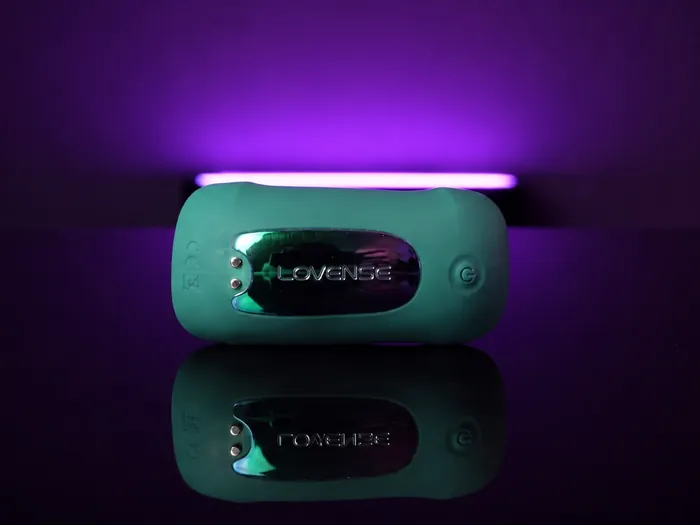
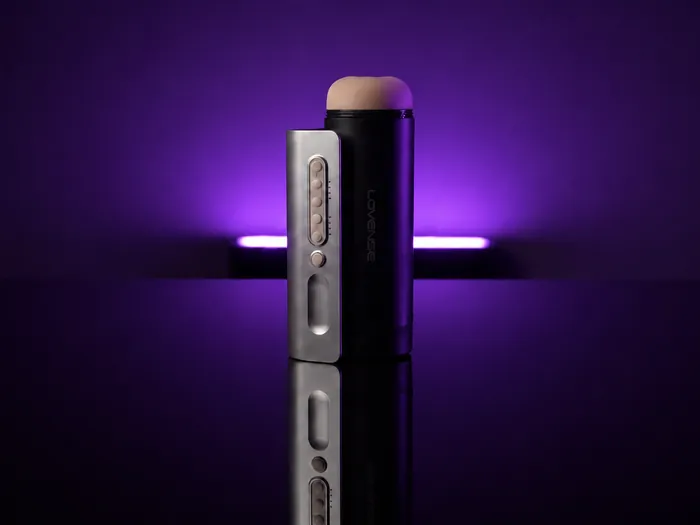
Two of the strokers we’ve reviewed happen to put the pressure in your control. The Tenga Flip Zero has squeeze pads on the shell that build or release suction, which we described as working like a throttle. That lets you start gentle and stay there. The Lovense Max 2 has an air vent you can open to reduce suction and three contraction levels, the lowest of which we found to be more of a gentle rhythmic pressure than a squeeze. Our head-to-head covers how the two differ in practice.
Two cautions. First, a toy can become its own idiosyncratic style if it’s the only way you finish. Rotate it with your hand and with partnered sex rather than replacing one habit with another. Perelman notes that vibrators are rarely needed for lifelong delayed ejaculation, while Cleveland Clinic lists sex toys among the aids a sex therapist might suggest. Second, both of these sleeves are TPE, so stick to water-based lube. Silicone lube degrades TPE, which is why our Max 2 review says water-based only.
When to see a doctor, and who to see
Self-help suits a technique that’s drifted, not a symptom with a medical cause, and a forum thread can’t tell you which you have. Mayo Clinic suggests booking a visit if the delay worries you or your partner, if you have another health problem or take medication that might be involved, or if you notice other symptoms alongside it.
Go sooner rather than later if any of these apply:
- The change was sudden, especially after starting a new medication. Antidepressants and some blood pressure drugs are common culprits, and a prescriber may be able to adjust them. Don’t stop a prescription on your own.
- You’ve noticed erection problems, numbness, pain, urinary changes or low desire as well.
- You have diabetes, thyroid disease, a past pelvic or prostate surgery, or a neurological condition.
- You can’t ejaculate at all, by any method, including during sleep.
- You and a partner are trying to conceive.
- It’s lasted a few months, a lighter-touch reset hasn’t helped, and it’s straining the relationship.
Start with a family doctor or urologist, who can rule out the physical causes with a history, an exam and possibly blood work. If those come back clean, a certified sex therapist is the specialist the research points to. Perelman’s work, and ISSM’s guidance, both treat psychological and behavioral factors as the main lever when nothing medical turns up,, and Cleveland Clinic lists couples counseling among the options when the problem has started to strain the relationship. Cleveland Clinic notes there’s no FDA-approved drug for delayed ejaculation, so the conversation is usually about causes and habits rather than a prescription. For the broader basics, our piece on stamina, sleep, breath and the pelvic floor covers the parts you can train.
The short summary of all this research is less dramatic than the forums. Your penis is not broken, there’s no fixed recovery timeline and nothing shows you need three months of monk mode. Lighter, slower, wetter and more varied, with a short break and a partner in the loop, is the boring fix clinicians describe. Boring is good news here.
Quick answers
Can “death grip” cause permanent damage?
There’s no research documenting permanent nerve damage from masturbation technique. The clinical literature frames idiosyncratic style as a learned pattern that can be retrained, and treatment reports, while small, describe most men improving. Persistent numbness or pain is a different matter and deserves a medical exam rather than a reset plan.
Does masturbating often cause delayed ejaculation?
Frequency alone looks like a weak factor. Perelman observed that idiosyncratic style tends to travel with masturbating more than three times a week, but the 2021 Belgian survey found frequency wasn’t a significant predictor of erectile problems, and Rowland’s 2023 study found it only weakly and inconsistently related to erectile function. How you do it appears to matter more than how often.
Is there a women’s version?
The internet has one: “dead vagina syndrome,” usually blamed on strong vibrators. It has the same status as death grip, meaning popular press coverage and no recognition as a diagnosis. The underlying idea, that a body habituated to one intense kind of stimulation may respond less to others, is plausible for anyone, but it hasn’t been studied as a condition.
Do Kegel exercises help?
Cleveland Clinic lists pelvic floor exercises as something that may improve control over ejaculation,. They’re harmless to try alongside a technique reset, and they won’t substitute for checking medications or hormones.
Is delayed ejaculation the same as not being able to finish at all?
Not quite. Mayo Clinic separates delayed ejaculation from anejaculation, where no ejaculation happens at all. Clinicians also classify delayed ejaculation as lifelong or acquired, and as generalized (every situation) or situational (say, fine alone but not with a partner). The situational, partner-only pattern is the one most consistent with an idiosyncratic style; trouble in every situation points more toward a medical cause.