Packing the Discreet Kit: What Clears Security
Batteries, travel locks, and the pouch that keeps a carry-on boring.
Somewhere in an airport right now, a carry-on is humming. Its owner is standing at the end of the belt, pretending to read the departures board, while a screening officer decides whether the noise is worth a second look. Nobody involved is having a good time, and all of it was avoidable with about ten minutes of packing.
Here is the reassuring part. Sex toys are legal to fly with in both the United States and Canada, in a carry-on or a checked bag. The officer at the X-ray is looking for threats, not for your vibrator, and has a long line to get through. What actually trips people up is not the toy. It is the lithium battery inside it, the bottle of lube that is 20 ml too big, the button that gets pressed by a pair of jeans at 35,000 feet, and the general chaos of a toiletry bag packed in a hurry.
So this is the boring version, which is the version you want. The rules come from the people who write them: the TSA, the FAA and Canada’s CATSA. The product details come from our own reviews. The goal is a bag that gets scanned, cleared and forgotten.
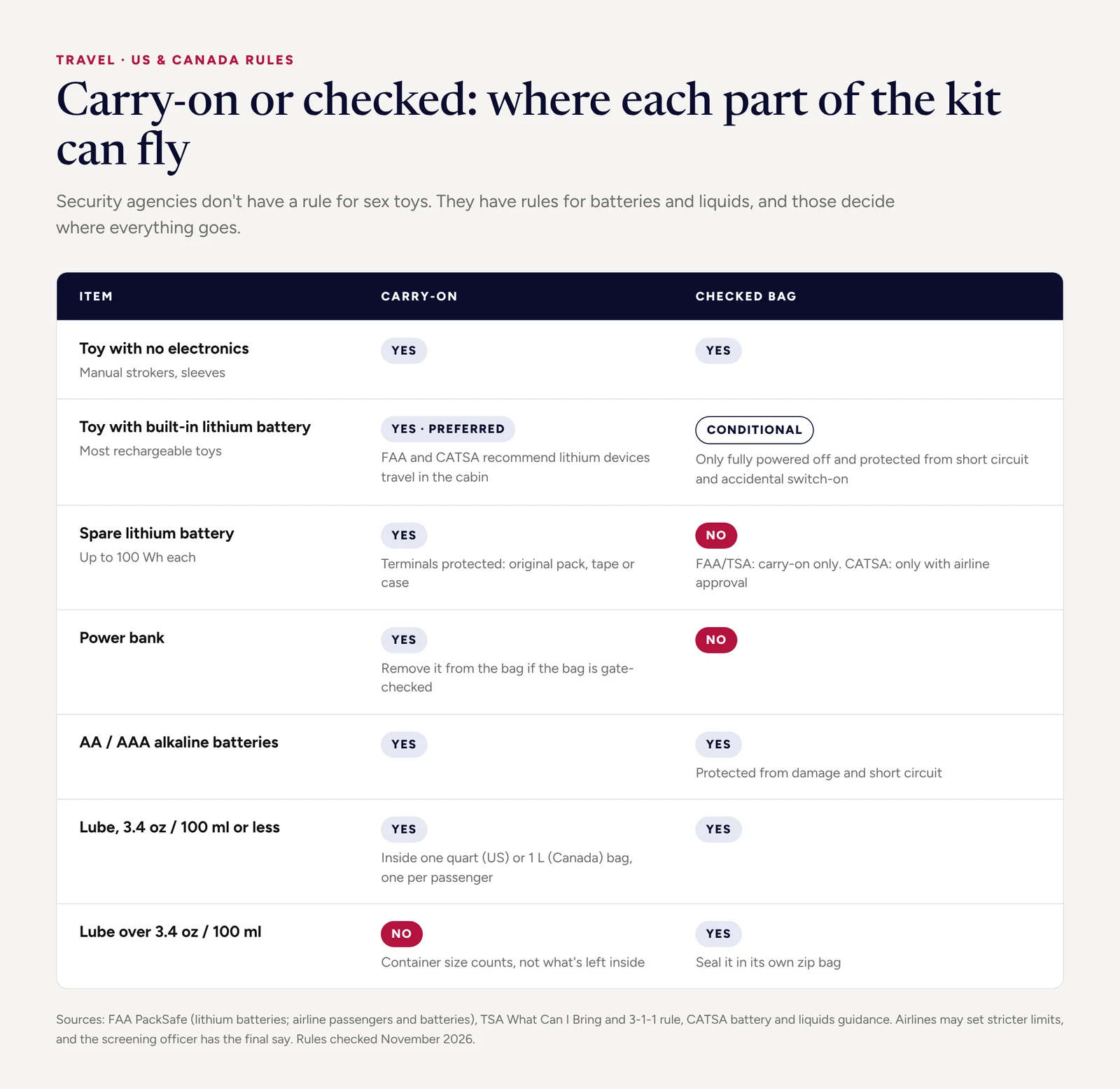
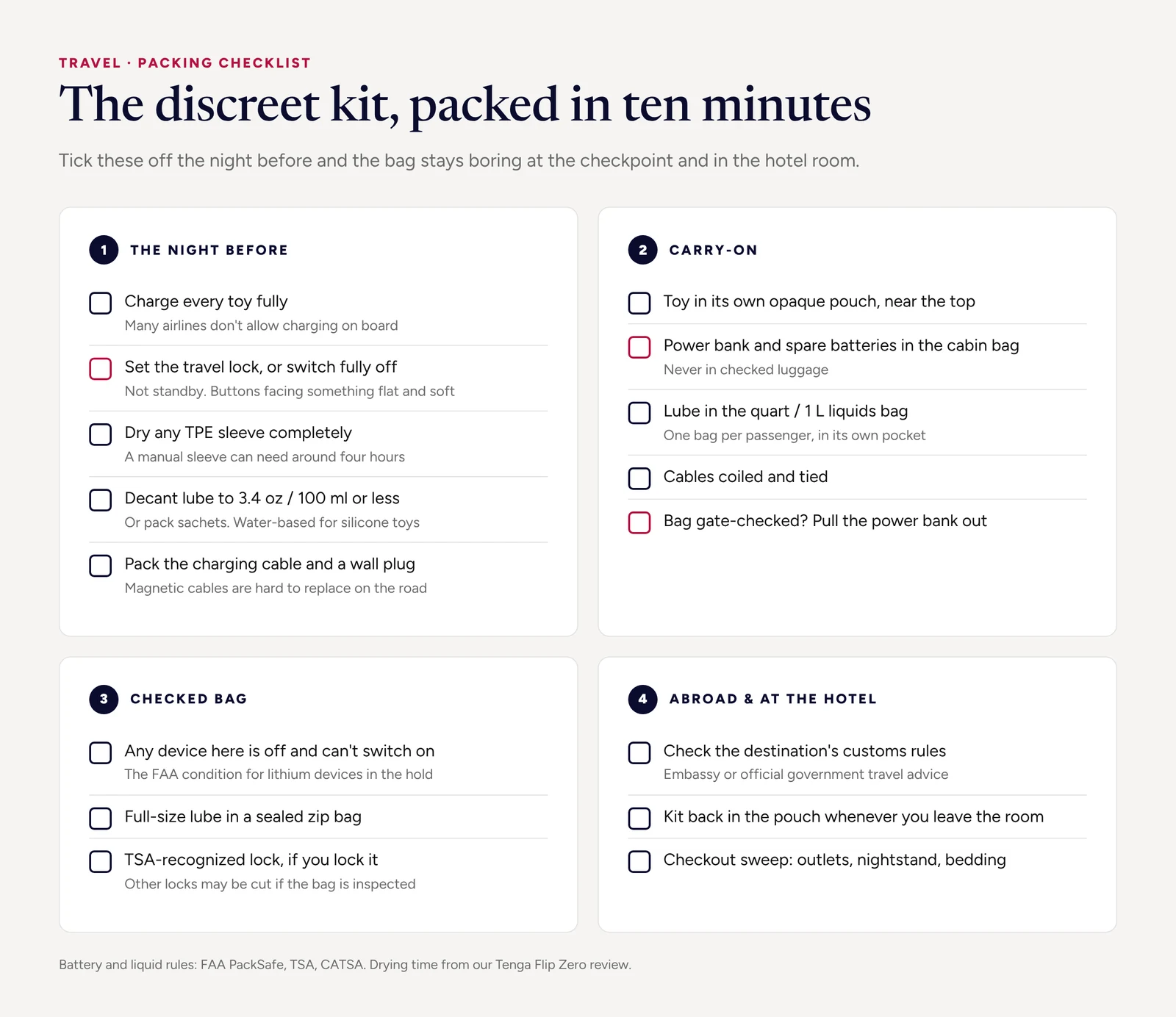
The short version: Toys are allowed in carry-on and checked bags. Devices with built-in batteries can go in either, but checked ones must be fully off and unable to switch on. Spare batteries and power banks go in the cabin only. Lube in the carry-on follows the liquids rule: 3.4 oz (100 ml) per container, one quart or 1 L bag. Use a travel lock if your toy has one, pack the kit in its own pouch, and check the destination’s rules before you fly internationally.
Yes, it’s allowed. Here’s what actually decides it
The TSA has no dedicated rule for sex toys, and that is the point. A TSA spokesperson told Refinery29 that travelers can bring adult toys in either checked or carry-on bags. There is no special category, no form, no declaration. A toy is treated like any other small personal item, which means the rules that actually apply are the ones for what is inside it: batteries, and any liquids you pack alongside.
CATSA works the same way in practice. Its screening guidance does not single out personal massagers. It does make clear that screening officers may open your bag, swab it or run a physical search when the scanner flags something that needs a closer look, and that a flag does not mean the item is prohibited. A dense motor surrounded by silicone can look ambiguous on a screen. That is a reason to open the bag, not a reason to confiscate anything.
One line from the TSA’s own item pages is worth keeping in your head: the officer at the checkpoint has the final say on whether an item goes through. That is not a threat. It is a reminder that the smoothest path is a bag that answers the officer’s question at a glance. Everything below is about making that glance short.
Batteries: the only rule with teeth
Almost every rechargeable toy runs on a lithium-ion cell, and lithium is the thing aviation regulators genuinely care about. The FAA’s concern is thermal runaway, the failure where a damaged cell overheats and keeps going. In the cabin, a crew can deal with it. In the hold, nobody sees it start. That single fact explains every rule that follows.
A toy with its battery built in counts as a portable electronic device. The FAA allows these in carry-on and checked bags, with one condition for the hold: the device must be powered off and protected from short circuit and unintentional activation. Both the FAA and CATSA still recommend keeping lithium devices in the cabin when you can. Since a toy weighs a few hundred grams and fits in a jacket pocket, there is no good reason to check it.
Spare batteries and power banks are different. The FAA and TSA are blunt: they go in the carry-on only, never in checked luggage. If your carry-on gets taken at the gate or planeside, the FAA says the spares and power banks have to come out of the bag and stay with you. This is the rule people break by accident, usually because the power bank lives in the front pocket of a roller bag that ends up in the hold on a full flight.
The size limit is 100 watt-hours per lithium-ion battery. The TSA notes that this covers the batteries in most everyday electronics, including phones and laptops, and a toy’s cell is far smaller than either. If you ever need to check a battery, the formula from CATSA is simple: volts multiplied by amp-hours, or volts multiplied by mAh divided by 1,000. Batteries between 101 and 160 Wh need airline approval. You will not hit that number with anything in this article.
Two smaller points. Loose spare cells need their terminals protected, and the FAA lists the original packaging, tape over the contacts or a battery case as acceptable. And airlines can be stricter than the regulators, including on how many power banks you carry and whether you can use them in flight. CATSA notes that many airlines now prohibit charging devices on board, so charge before you leave for the airport.
Lube and the liquids bag
Lube is a gel, and gels follow the liquids rule. In the US, the TSA’s 3-1-1 rule limits carry-on liquids, gels and aerosols to containers of 3.4 ounces or less, all fitting in one quart-sized bag, one bag per passenger. The TSA’s own test is whether you can spill it, spread it, spray it, pump it or pour it. Lube passes that test with flying colors.
In Canada, CATSA’s rule is the metric twin: containers of 100 ml or 100 g or less, all in one clear, resealable plastic bag of no more than 1 L, one bag per passenger. Containers over 100 ml can go in checked baggage as long as they are not otherwise prohibited. That is where the full-size bottle belongs if you are away for a week.
The trap is the bottle that is mostly empty. Screening is based on the size printed on the container, not on what is left inside it, so a 250 ml bottle with an inch of lube in the bottom is still a 250 ml bottle. Decant into a travel bottle, or buy a travel size. Single-use sachets are the tidiest option of all: they lie flat, they weigh nothing, and they do not leak into your socks.
Pick the formula before you pack it. Every toy in our reviews with a silicone surface, including the Fun Factory Manta and the Lovense Gush 2, is listed as water-based lube only. Silicone lube and silicone toys are the classic bad pairing. If you want the longer explanation of bases and what pairs with what, our guide to lubes covers it. Then put the bottle inside a zip bag of its own, even in checked luggage. Cabin pressure changes squeeze bottles, and a lube leak is the least discreet thing that can happen to a suitcase.
A 250 ml bottle with an inch of lube in the bottom is still a 250 ml bottle.
The travel lock is the whole point
The buzzing bag is not a myth, and it is not really a security problem either. It is a button problem. A toy jammed against a hairbrush gets switched on, runs until the battery dies, and arrives flat, warm and noisy. In a checked bag, it also breaks the FAA’s condition that the device be protected from unintentional activation.
A travel lock solves this properly. Of the toys we have tested, the Fun Factory Manta is the one with a dedicated lock: a button combination that locks the controls until you repeat it, so it will not wake up in a suitcase or a gym bag. It is also small, at 120 g (4.2 oz), fully waterproof (IPX7) and charged by magnetic cable, which makes it close to the ideal travel toy on paper and in practice. If you own a toy with a lock, learn the combination before the trip rather than at the gate.
If your toy has no lock, our reviews of the others did not list one, so build your own. Switch the toy fully off rather than to standby. Pack it in a hard case or a rigid section of the bag where nothing presses on the controls. Turn it so the buttons face something soft and flat, not a shoe heel. For app-controlled toys, close the app and switch the toy off before you board, so a phone in your pocket cannot wake it by accident. Unplug it, too: a toy left charging from a power bank in a bag is two lithium devices and a cable doing things unsupervised.
If your bag gets opened
Assume it might. Planning for the search is what makes the whole kit discreet. The officer is looking for one thing: whether the dense object on the scan is what it appears to be. A toy that is clean, dry, switched off and sitting in its own pouch answers that in about four seconds.
At a US checkpoint, the TSA’s guidance is that you can ask for private screening at any time, with a witness of your choice. That applies to screening of your person. For a bag search, the practical approach is quiet and simple: stay calm, say it is a personal massager if asked, and let the officer do the job. In Canada, CATSA says a physical search can be done in a private area if you ask.
Checked bags get searched without you there. The TSA leaves a Notice of Baggage Inspection inside any bag it opens. If you use a lock, choose a TSA-recognized one: the packaging says whether TSA can open it. Officers can open those without damage, but a lock they cannot open may have to be cut. A cut lock on an otherwise untouched bag is a worse outcome than a neat note on top of your shirts.
Order the bag so the search is short. Put the toy pouch near the top of the carry-on, not buried under three days of clothes. Keep the liquids bag in its own pocket so it can come out in one move. Leave nothing loose: cables coiled and tied, sachets in their bag, the toy in its pouch. A tidy bag gets packed back the way it came. A chaotic one gets packed back however the officer manages.
Cables, chargers and the pouch
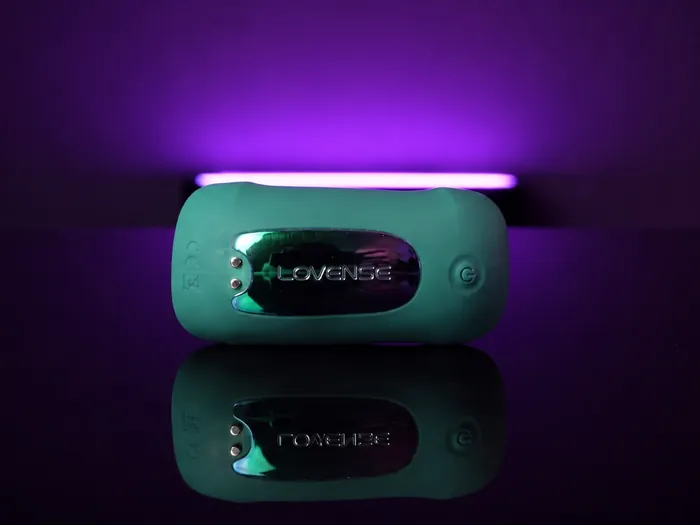
The cable is the item people forget, and on many toys it cannot be replaced at a hotel gift shop. The Manta charges by magnetic cable. The Lovense Max 2 uses magnetic charging contacts. Proprietary connectors like these mean the phone charger on your nightstand is no help if you leave the right cable at home. The Solace Pro, by contrast, moved to USB-C. Check which one you own rather than assuming.
Pack a wall adapter too. Our Domi 2 review noted there was no adapter in the box, only a cord, which is common. A small USB wall plug lets you charge from an outlet instead of whatever is built into the hotel lamp. Charge everything fully the night before. The Domi 2’s rated runtime is up to 370 minutes and the Manta’s is about 90, so for most trips one full charge is the whole charge.
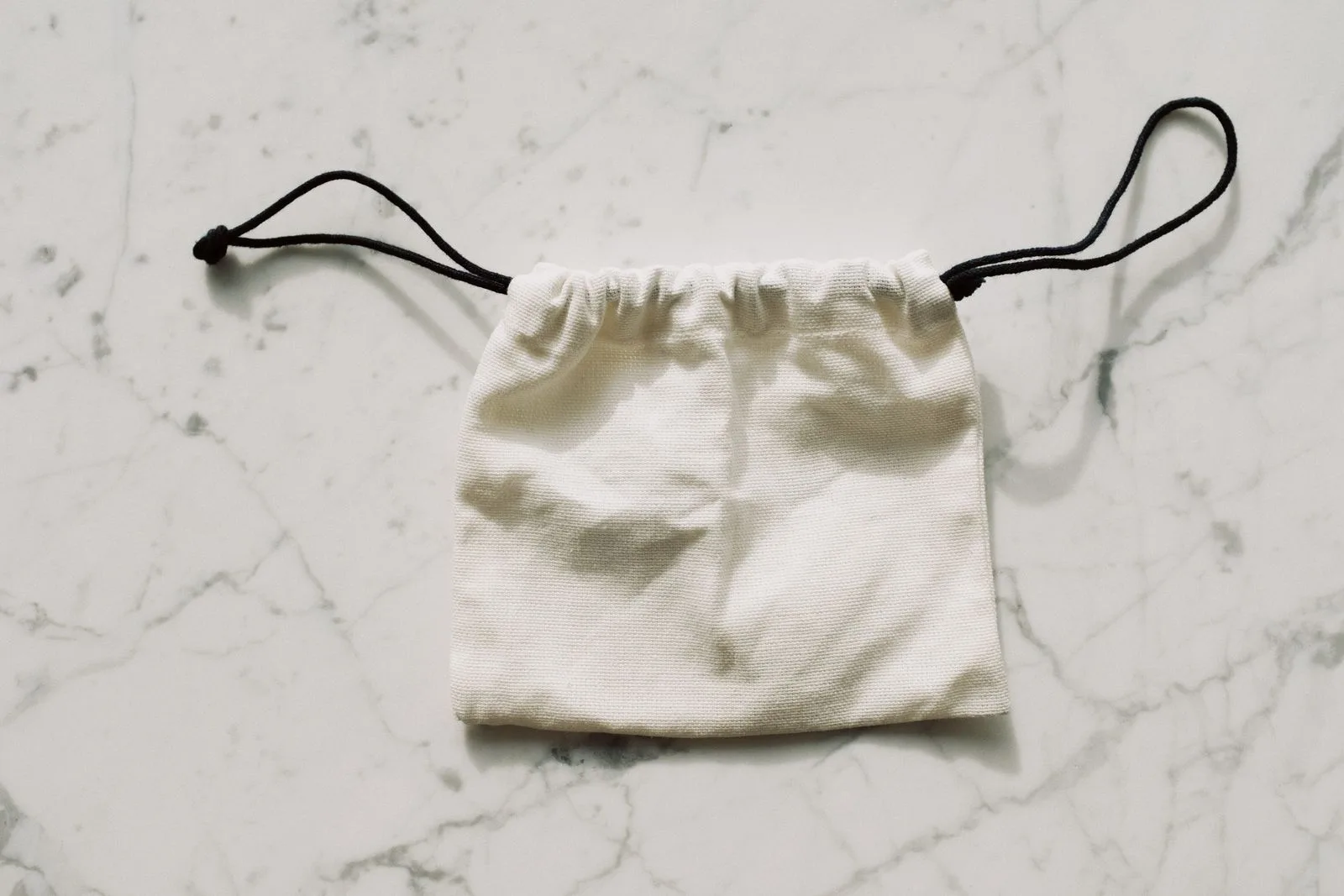
Then the pouch. A dedicated, opaque bag does three jobs: it keeps lint and dust off silicone, it stops the toy rubbing against anything that could scuff it, and it turns the whole kit into one object. The Max 2 ships with its own storage bag, and that is the right idea. Keep toys from touching each other, especially different materials. Anything with a TPE sleeve needs to be bone dry before it goes in. Our Tenga Flip Zero review clocked a four-hour drying time, so a sleeve washed the morning you fly is not ready to be zipped into a bag. Our article on how to clean a TPE sleeve covers the drying routine.
Be realistic about size. A small wand or a glans toy in the 120 to 200 g range disappears into a carry-on. The Max 2 is 750 g (1.65 lb) and fine. The Solace Pro weighs 1.2 kg (2.6 lb) and needs its desk mount, which makes it a home device rather than a travel one. If the toy needs furniture to work, it can stay with the furniture.
Crossing borders is a different question
Everything above is about getting through security in the US and Canada. Customs at the other end is a separate system with its own rules, and those rules vary a great deal from country to country. Some countries restrict imports of items they consider obscene or indecent, and enforcement can be strict.
We are not going to give you a list of countries, because these laws change and second-hand lists online are often out of date or wrong. Go to the source instead. The US State Department tells travelers to check customs restrictions with the destination country’s embassy or consulate before departure, and warns that breaking another country’s customs rules can mean detention at the airport, fines, confiscation or prosecution. Canadians can check the “Laws and culture” section of the Government of Canada’s travel advice for the destination. If the official answer is unclear, leave the toy at home. Nothing in your kit is worth a conversation in a customs office.
Connections count too. If your route has you collecting and re-checking bags in a third country, or stopping overnight, your luggage can end up in front of that country’s officers as well. Read the rules for every country where your bag could be opened, not only the one on your ticket.
The hotel end
Getting through the airport is half of it. The other half is the room, where the risk is not a scanner but a housekeeper who walks in while your kit is on the nightstand. A Do Not Disturb sign is a request, not a lock. Treat the room like a shared space whenever you are out of it.
The fix is the same pouch. Put everything back in it after use, once it is clean and dry, and put the pouch in your suitcase, a drawer or the in-room safe if it fits. Leave cables plugged in under the desk, not snaking off the bed. Wash toys in the bathroom sink and let them dry on a towel on the counter while you are in the room, then pack them before you go out. For a toy like the Domi 2, measured around 60 dB in our review, it is worth remembering that hotel walls are often thinner than the price suggests. Our piece on turning a hotel room into an aphrodisiac covers the more enjoyable side of the room itself.
Last, the checkout sweep. Hotels find a remarkable number of chargers, and some of them are magnetic and shaped like nothing else on earth. Check the outlets, the nightstand drawer and under the duvet before you leave. Your lost-and-found claim is a phone call you would rather not make.
Quick answers
Do I have to tell the security officer I’m carrying a sex toy?
No. Neither the TSA nor CATSA asks you to declare personal items like this. If an officer asks what an item is during a bag check, “personal massager” is accurate and enough. Unlike medically necessary liquids, which CATSA asks you to declare, a toy needs no announcement.
Can I bring a toy that takes AA or AAA batteries?
Yes. The FAA permits dry alkaline batteries in carry-on and checked bags, protected from damage and short circuit. The simplest approach is to take the batteries out and pack them in their original packaging or a small case, which removes the risk of the toy switching on. CATSA notes that some airlines restrict alkaline batteries in checked bags, so carrying them in the cabin avoids the question.
Is a toy with a vibrating motor treated differently from a stroker with no electronics?
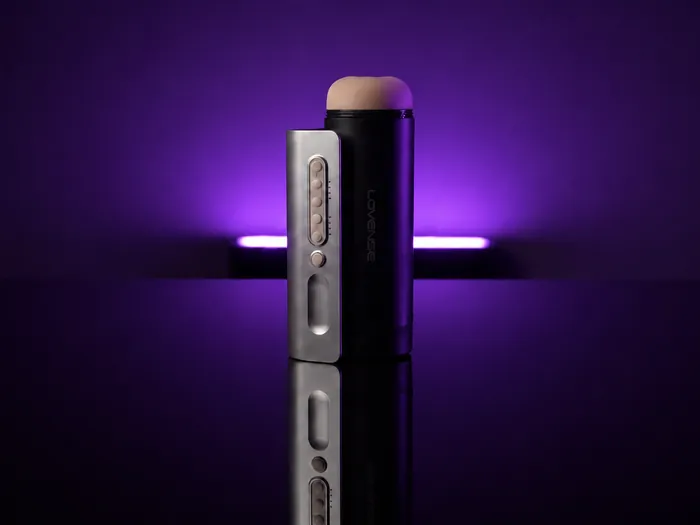
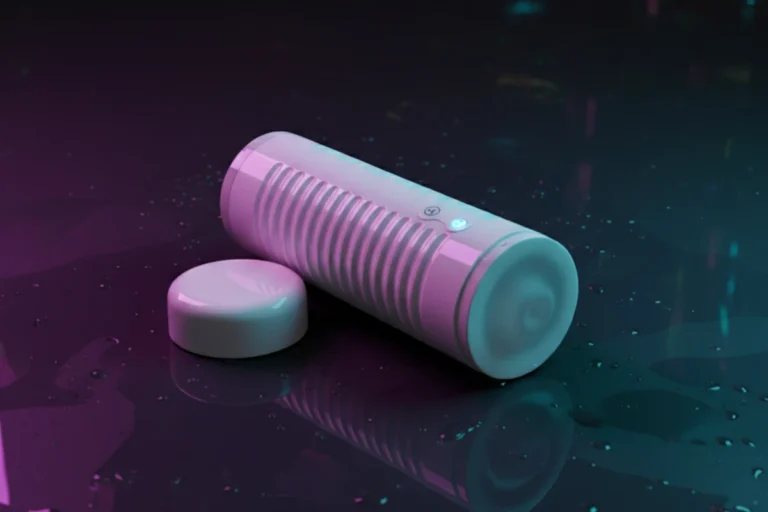
A manual stroker like the Tenga Flip Zero has no battery, so the lithium rules do not apply at all. The only thing to watch is the lube you pack with it. The trade-off is drying time: a TPE sleeve that is not fully dry should not be sealed in a bag for a flight.
What if my lube is over 100 ml?
Put it in your checked bag, which CATSA and the TSA both allow for larger containers of permitted liquids, inside its own sealed zip bag. If you are only flying with a carry-on, decant into a container of 100 ml (3.4 oz) or less, or bring sachets.
Can I use or charge my toy’s power bank on the plane?
That is up to the airline, not the security agency. CATSA notes that many airlines prohibit charging devices on board, and the FAA says carriers can set stricter rules on power banks than the regulations. Charge everything before you leave and check your airline’s page if you plan to top up mid-flight.